
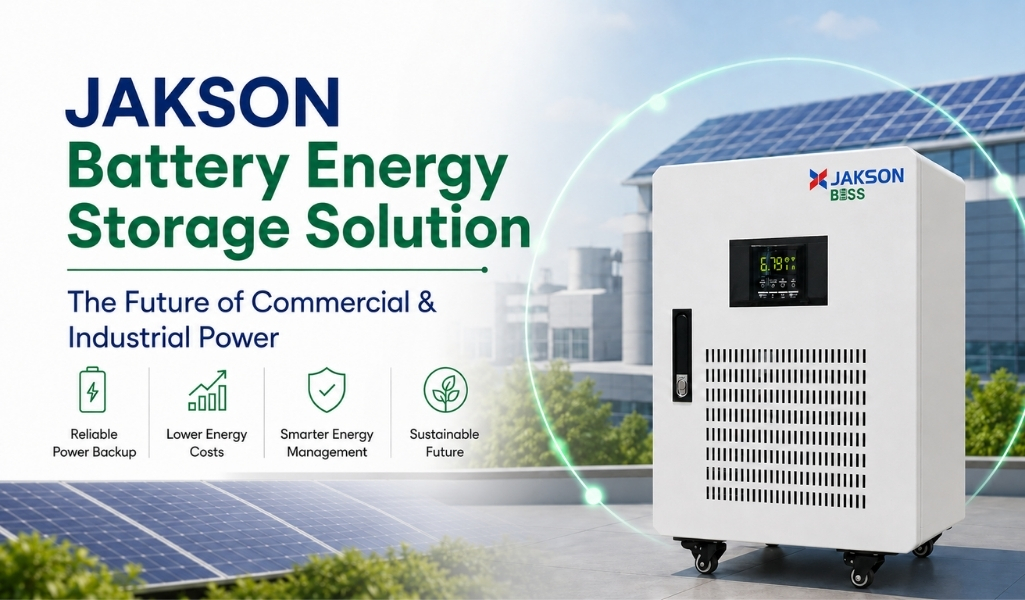
Benefits of BESS for Commercial and Industrial Facilities
Factories, data centres, hospitals, campuses and large commercial buildings all face the same basic problems: rising tariffs, sudden outages and increasing pressure to cut carbon emissions without slowing growth.
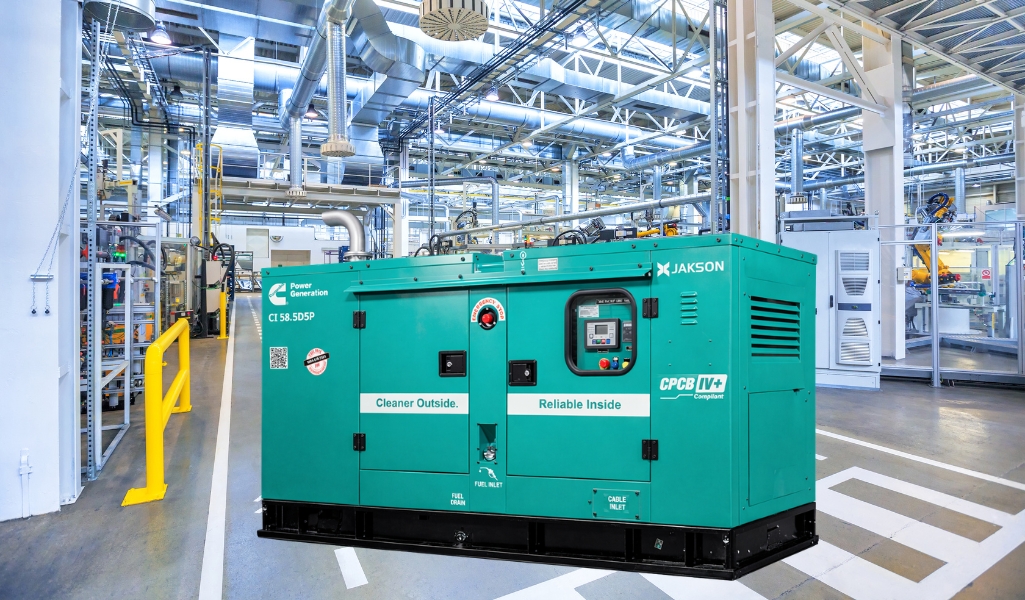
Traditional backup solutions like diesel generators handle emergencies, but they don’t optimise your day‑to‑day energy costs or help you use more renewable power.
A Battery Energy Storage System changes that equation.
Instead of only reacting when the power goes off, BESS allows your facility to actively manage how and when you use grid power, solar power and stored energy, all from a single integrated system.
What is a Battery Energy Storage System?

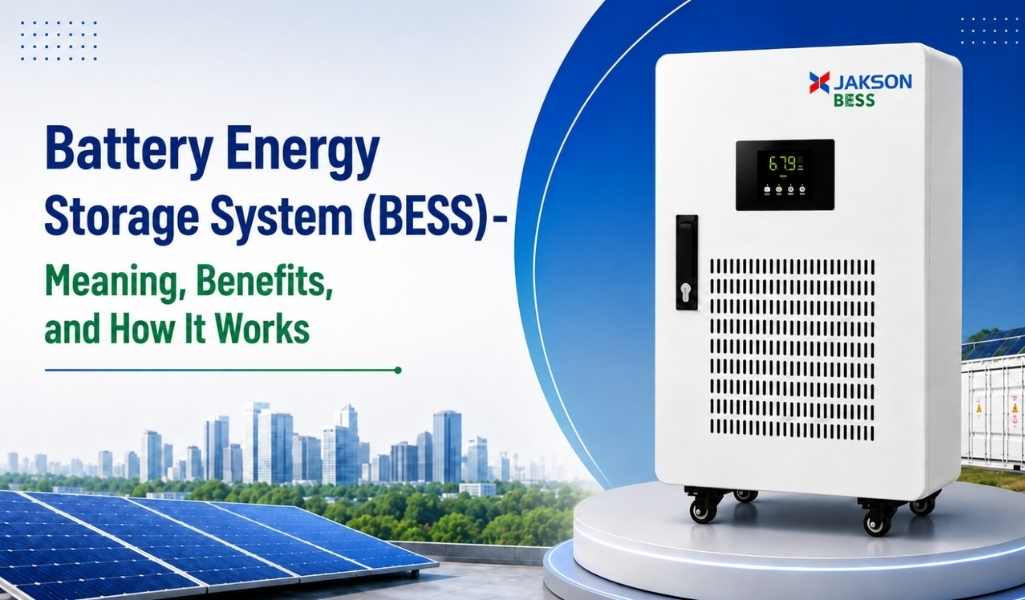
A Battery Energy Storage System is an intelligent energy solution that captures electricity from the grid or on‑site generation (solar, wind, gensets) and stores it in high‑performance rechargeable batteries for use later.
When demand spikes or the grid fails, the system discharges this stored energy to support your loads and keep critical operations running.
Modern commercial and Industrial BESS typically use lithium‑ion battery technology because it offers high efficiency, long cycle life and fast response, making it suitable for both backup and daily optimisation use.
How BESS Works in a Commercial or Industrial Facility
The working principle of BESS is simple, but powerful:
- During off‑peak hours or high solar production, the system charges the batteries with cheaper or surplus electricity.
- The stored energy is monitored and managed by an Energy Management System (EMS), which tracks usage, battery health and grid status in real time.
- When tariffs rise, demand peaks or an outage occurs, the Power Conversion System (PCS) converts DC from the batteries into AC and feeds it into your internal network.
Because this process is fully automated, facility managers don’t have to “babysit” the system; they simply set the strategy and let the EMS handle the charge and discharge cycles.
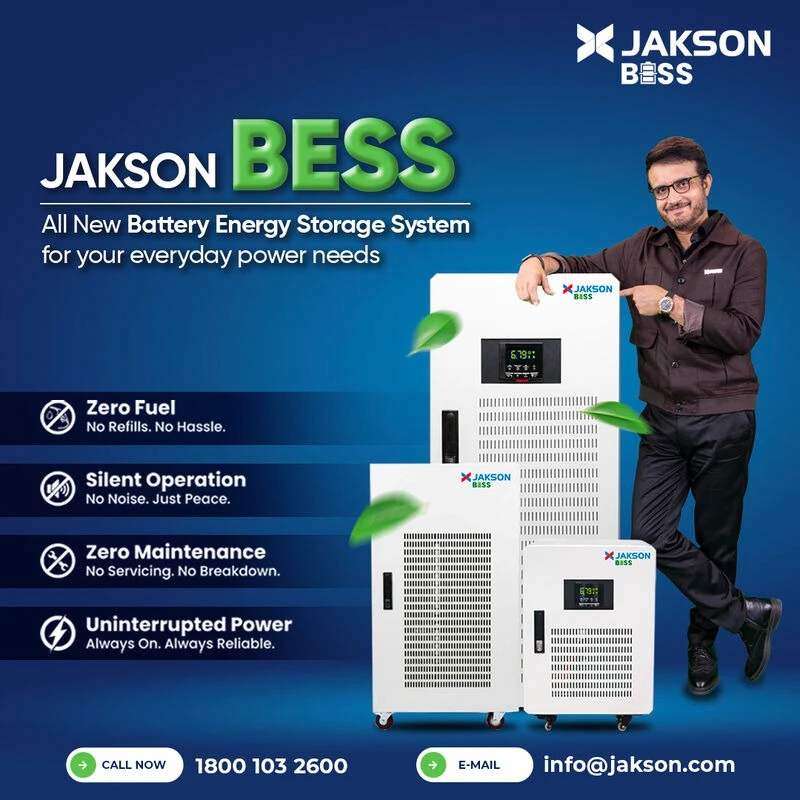
6 Benefits of BESS for Commercial and Industrial Facilities
1. Lower Energy Bills Through Smart Tariff Management
One of the biggest Advantages of BESS is the ability to buy less power at expensive times and more at cheaper times.
The system charges during off‑peak hours and discharges during peak periods, reducing demand charges and overall monthly bills for large consumers.
For plants and campuses on complex industrial tariffs, this “energy arbitrage” can translate into significant savings over the life of the system.
2. Improved Reliability and Business Continuity
Grid failures and voltage dips can damage equipment, interrupt production and cause expensive downtime.
With a correctly sized BESS, critical loads can continue to run on stored energy even when the external supply is unstable or completely unavailable.
This is particularly valuable for sectors like data centres, healthcare, pharmaceuticals, food processing and continuous‑process industries where even short interruptions can be costly.
3. Better Use of On‑Site Solar and Hybrid Systems
Many commercial and industrial users already have rooftop or ground‑mounted solar plants, but struggle to use all the energy they generate.
Without storage, excess daytime solar may be exported at low tariffs or curtailed when on-site demand is low.
Pairing solar with BESS allows businesses to:
- Store surplus solar generation in the batteries.
- Use that clean energy at night or during cloudy periods.
- Increase self‑consumption and shorten project payback times.
This “solar‑plus‑storage” model is rapidly becoming the new benchmark for advanced C&I energy users.
4. Peak Shaving and Load Management
Industrial facilities often see short, sharp spikes in energy use when heavy machinery starts or multiple systems run together.
Utilities charge for these peaks through demand charges, which can make up a large part of the monthly bill.
BESS helps by “shaving” these peaks: when the EMS sees demand rising above a set threshold, the battery automatically supports the load so the grid draw stays below the penalty level.
The result is smoother load profiles and more predictable energy costs.
5. Grid Support and Power Quality
At higher capacities, Battery Energy Storage Systems BESS can also provide grid‑support services such as frequency regulation, voltage support and reactive power compensation.
For facilities connected to weak or heavily loaded feeders, this can improve power quality, reduce flicker and protect sensitive equipment.
As more renewables connect to the grid, such ancillary services from BESS installations become increasingly important for overall system stability.
6. Sustainability and Carbon Reduction
Every unit of clean energy stored and later used from a BESS is one less unit drawn from fossil‑fuel‑based generation. By combining solar, efficient gensets and battery storage, C&I consumers can significantly reduce their carbon footprint while maintaining or even improving reliability.
This supports corporate ESG goals, regulatory compliance and brand positioning as a responsible, forward‑looking business.
Why Partner with JAKSON Distributed Energy for BESS?
Designing a Battery Energy Storage System BESS for commercial or industrial facility is not just about installing batteries; it’s about integrating storage into your overall energy strategy.
Factors like load profile, tariff structure, existing solar or genset capacity, backup requirements and future expansion plans all need to be considered carefully.
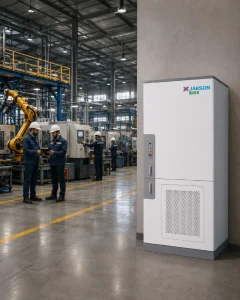
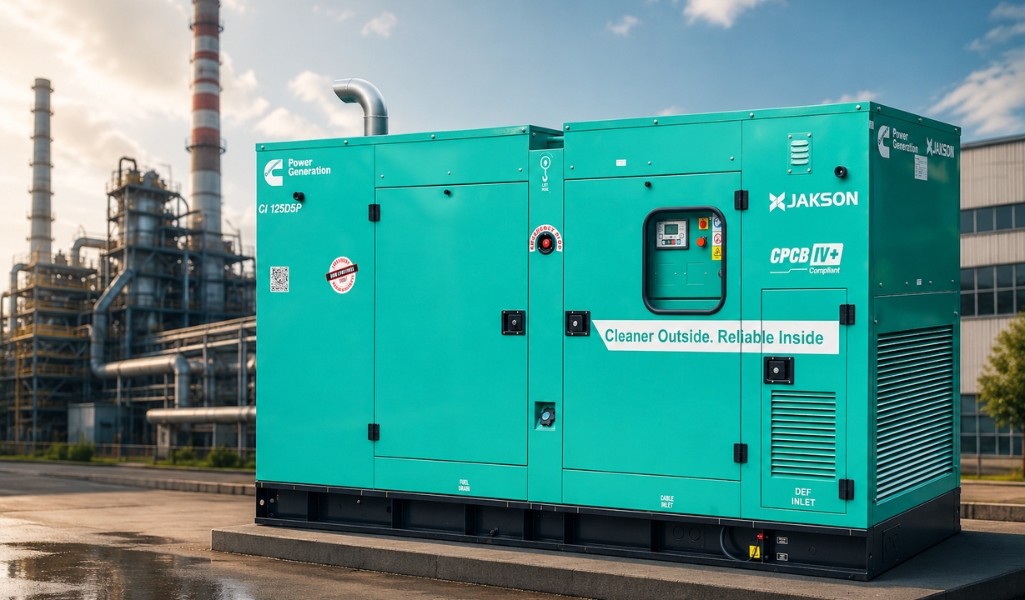
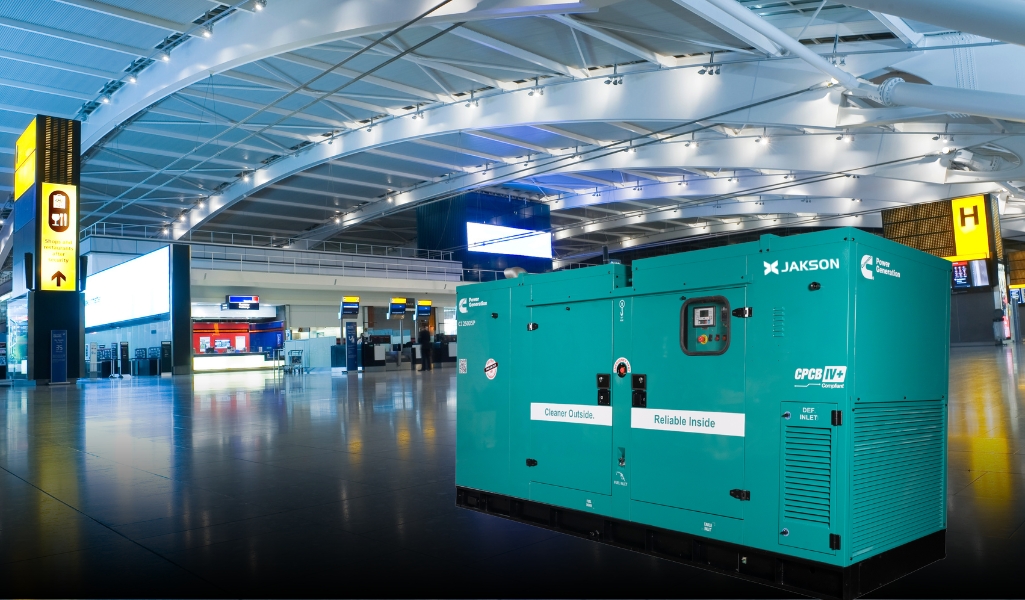
With a strong presence in distributed energy solutions, including CPCB IV+ gensets, solar rooftop systems and battery storage, JAKSON Distributed Energy is positioned to deliver end‑to‑end BESS solutions tailored to Indian C&I customers.
From system sizing and engineering to installation, EMS tuning and lifecycle support, the focus is on reliable performance, practical savings and long‑term sustainability.
For businesses looking to cut energy costs, reduce downtime and move towards cleaner power, Battery Energy Storage Systems are no longer a futuristic idea; they are a practical, available solution. And with the right partner, they can become the backbone of a smarter, more resilient energy infrastructure for your facility.