
With energy costs rising and grids becoming more unpredictable, businesses can’t afford to rely on “power when available” anymore.
You need electricity that is clean, predictable and under your control, not just under the utility’s control.
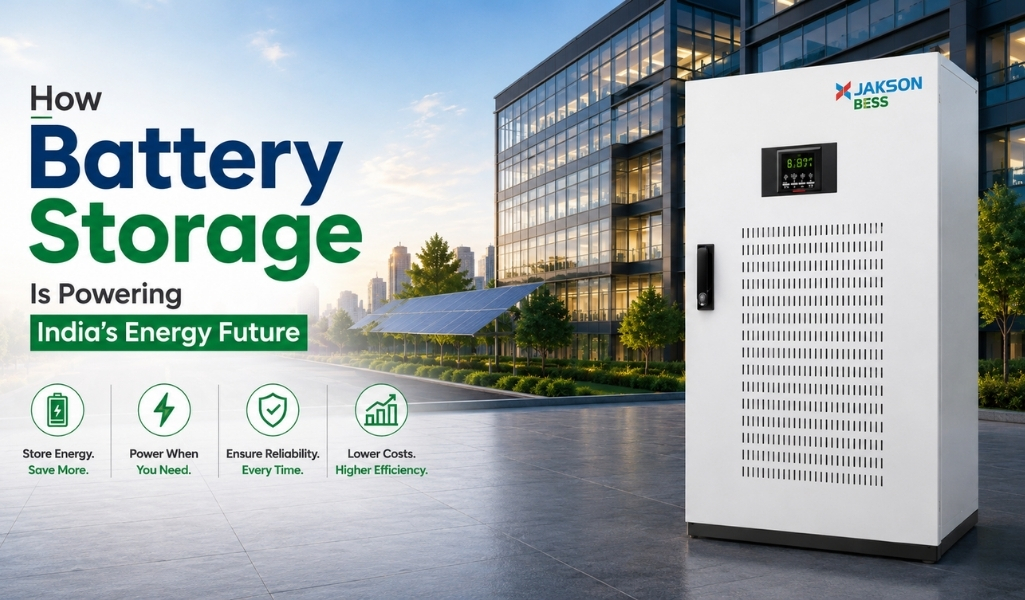
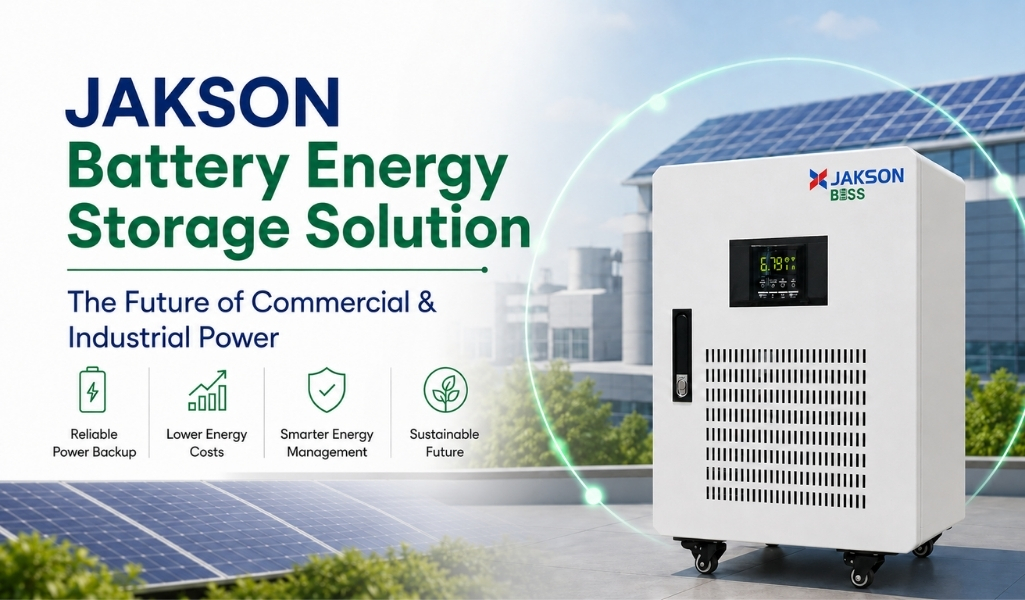
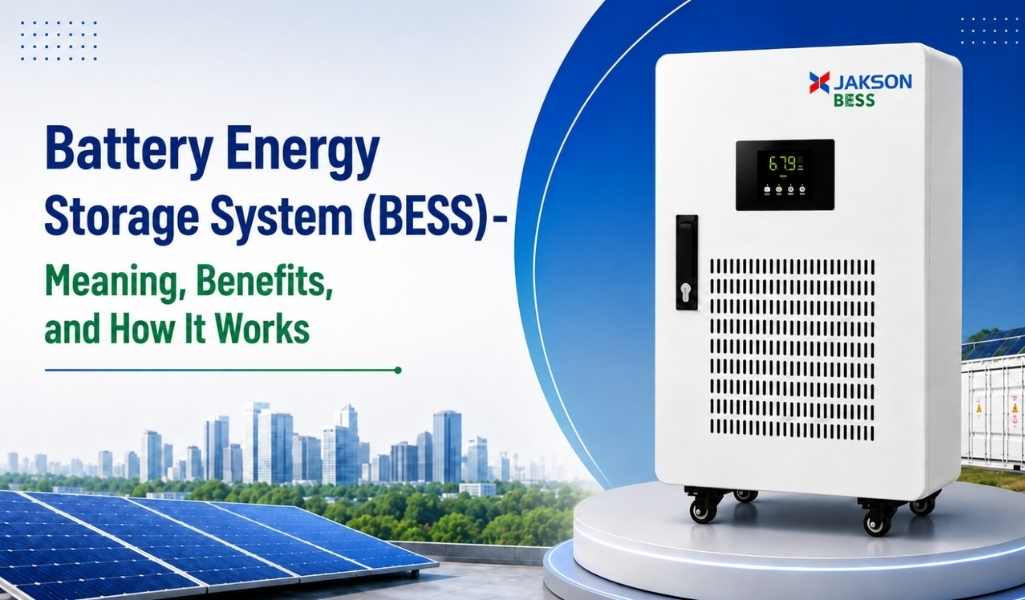
That is exactly where a Battery Energy Storage System (BESS) steps in. Instead of letting excess solar or cheap off‑peak power go to waste, a BESS stores it in batteries. It releases it whenever your facility needs it, during peak tariff hours, outages or times of low renewable generation.
What is a Battery Energy Storage System?
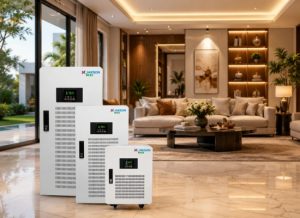
A Battery Energy Storage System (BESS) is an intelligent energy storage solution that captures electricity and stores it in rechargeable batteries for use later.
Think of it as a “smart energy bank” for your site: you deposit surplus power when you have plenty, and withdraw it when demand and tariffs are high.
A modern BESS can be integrated with:
- Solar photovoltaic (PV) systems
- Wind energy plants
- Utility power grids
- Diesel generators
- Hybrid and microgrid solutions
This makes battery storage ideal for commercial buildings, manufacturing units, data centres, hospitals, educational campuses, hotels, warehouses and utility‑scale renewable projects.
How Does a Battery Energy Storage System (BESS) Work?
Although the technology inside is sophisticated, the working principle of BESS is simple and logical:
- Energy collection
Electricity is generated on‑site from solar or wind, or drawn from the grid during off‑peak hours when tariffs are lower. - Battery charging
This electricity charges high‑efficiency batteries; most systems today use lithium‑ion technology because it offers high round‑trip efficiency, longer life and faster charging. - Safe energy storage
The energy remains stored inside battery modules, while monitoring systems track state of charge, temperature, and performance in real time to keep the system healthy and safe. - Power conversion (DC to AC)
Batteries store power as Direct Current (DC). A Power Conversion System (PCS) converts this DC into Alternating Current (AC), the form required by your machines, HVAC systems and building loads. - Controlled energy distribution
When your demand spikes, renewable output dips, or the grid fails, the BESS automatically discharges and supplies power to the connected loads, keeping operations running without interruption.
Key Components of BESS
A utility‑grade Battery Energy Storage System is more than just a battery rack. It combines several integrated subsystems:
- Battery modules
The heart of the system, defining how much energy you can store and for how long. - Battery Management System (BMS)
Continuously monitors cell voltages, temperature and charge cycles, preventing over‑charging or deep discharging and extending battery life. - Power Conversion System (PCS)
A bi‑directional converter that handles AC‑DC and DC‑AC conversion so the system can both charge from and feed power to the grid or your internal network. - Energy Management System (EMS)
The “brain” of the installation. It optimises when to charge, when to discharge, and how to balance renewables, the grid, and load to minimise costs and maximise reliability. - Cooling and safety systems
Thermal management, fire detection and protection systems keep batteries within safe temperature limits and ensure compliant, secure operation.
Benefits of Battery Energy Storage System for Businesses
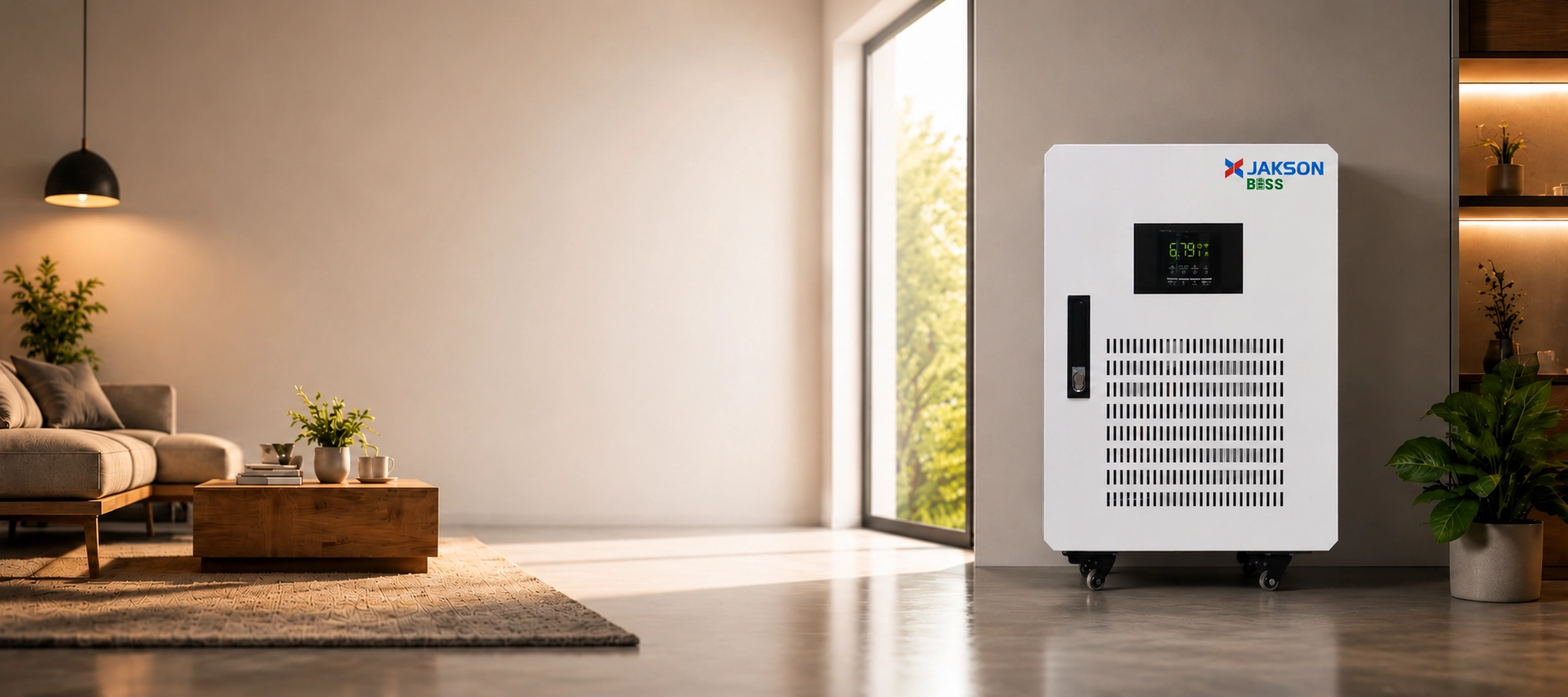
When BESS is sized and controlled properly, it delivers multiple, measurable Benefits of BESS:
- Lower electricity bills
Charge when tariffs are low and use stored energy during peak hours to cut demand charges and reduce overall grid consumption. - Improved energy reliability and resilience
Use BESS as clean backup power during grid failures so your production lines, servers or medical equipment keep running. - Maximum renewable energy utilisation
Store surplus solar or wind energy instead of exporting it at low tariffs or wasting it, increasing on‑site self‑consumption and project ROI. - Peak demand management (peak shaving)
Let the battery handle short demand spikes so your billed peak kVA/kW comes down, directly reducing penalties and demand charges. - Grid support and stability
At larger scales, BESS can perform frequency regulation, voltage support and other grid services, helping utilities integrate more renewable energy safely. - Reduced carbon footprint
By shifting more of your consumption to clean stored energy, you cut reliance on fossil‑based grid power and move closer to your sustainability targets.
Where Are Battery Energy Storage Systems Used?
Across the world, BESS is already being deployed in a wide range of applications:
- Manufacturing plants and process industries
- Commercial and office buildings
- Data centres and IT parks
- Hospitals and healthcare facilities
- Hotels and retail chains
- Educational institutions and campuses
- Warehouses and logistics hubs
- Utility‑scale solar and wind plants
- Grid‑connected battery parks and microgrids
- EV charging hubs and fleet depots
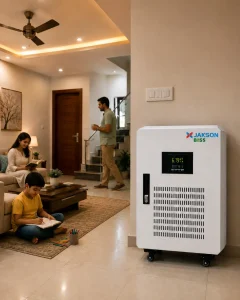
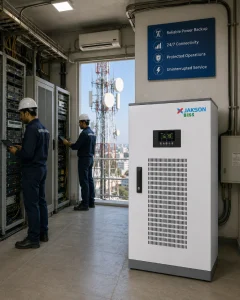
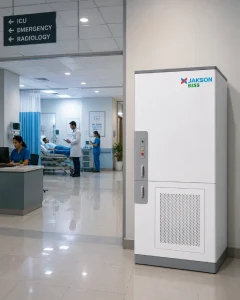
If your business faces high energy bills, frequent outages or has under‑utilised solar capacity, a well‑engineered BESS can quickly become a core part of your energy strategy.
Why BESS is Essential for Solar‑Powered Businesses
Solar PV generates most of its energy in the daytime, while many businesses see their heaviest usage extending into evenings and nights.
Without storage, excess daytime solar may be exported at low tariffs or simply curtailed.
By pairing solar with BESS, you can:
- Store surplus daytime solar generation.
- Use clean stored power after sunset and on cloudy days.
- Reduce dependency on grid power and diesel generators.
- Increase energy independence and price predictability.
- Improve plant performance and payback periods.
This “solar‑plus‑storage” combination is quickly becoming the new standard for forward‑looking industrial and commercial consumers.
Choosing the Right BESS for Your Facility
The right Battery Energy Storage Solution (BESS) is never one‑size‑fits‑all. Key sizing and design decisions depend on:
- Your daily and monthly electricity consumption profile
- Peak demand patterns and tariff structure
- Required backup duration for critical loads
- Installed or planned renewable capacity
- Available installation space and safety constraints
- Future expansion plans and regulatory requirements
Working with an experienced energy solutions provider ensures that battery capacity, inverter rating, EMS logic and protection systems are all tuned to your actual site conditions, not just generic assumptions.
The Future of Battery Energy Storage and Jakson’s Role
Globally, battery storage is one of the fastest‑growing clean energy technologies, driven by falling lithium‑ion costs, smarter EMS platforms and the rapid expansion of renewable generation.
For businesses, BESS is no longer a “nice to have” add‑on; it is becoming a central pillar of resilient, low‑carbon energy infrastructure.
At JAKSON Distributed Energy, we design and deliver intelligent Battery Energy Storage Solutions that work seamlessly with solar, hybrid and grid‑connected systems for commercial, industrial and utility‑scale applications.
From concept and sizing to installation, EMS programming and lifecycle support, our BESS solutions help you cut energy costs, improve reliability and build a more sustainable, future‑ready power ecosystem.
If you’re exploring Battery storage for plant, campus or renewable project, our team can help you evaluate the right configuration and build a solution that grows with your energy needs.